In an age where sustainability and energy efficiency define modern living, the choice of materials we use in our homes and buildings has never been more important. Among the many innovations shaping the eco-friendly construction industry, Wollmatten — or wool mats — have emerged as a powerful, natural alternative to synthetic insulation materials. Derived from pure sheep’s wool, Wollmatten provide outstanding thermal insulation, moisture control, and sound absorption, all while promoting a healthy indoor climate.
The growing popularity of Wollmatten across Europe and beyond reflects a shift in global consciousness: people are becoming more aware of the environmental cost of traditional building materials and are looking for organic, renewable, and biodegradable alternatives. In this article, we’ll explore what Wollmatten are, their key features, their benefits for health and sustainability, and how they are transforming architecture and interior design.
🐑 What Are Wollmatten?
Wollmatten are insulation mats made primarily from natural sheep’s wool, processed into thick, flexible sheets that can be used in walls, ceilings, floors, and roofs. Unlike synthetic insulation materials such as fiberglass or mineral wool, wool mats are renewable, biodegradable, and free from harmful chemicals.
Sheep’s wool has been used for centuries to protect against cold and damp conditions, and modern technology has only enhanced its performance. The fibers in wool have a unique ability to absorb and release moisture without losing insulation capacity. This means that Wollmatten naturally regulate indoor humidity, preventing condensation and mold — a feature that synthetic materials often struggle to match.
Additionally, Wollmatten are easy to install, safe to handle, and non-irritating to the skin and lungs. Their natural lanolin content repels dust mites and pests, making them a perfect choice for those with allergies or respiratory sensitivities. Whether used in new construction or renovation, they offer a simple yet highly effective way to create a comfortable, sustainable living environment.
🌡️ The Thermal Power of Wool: Why Wollmatten Excel in Insulation
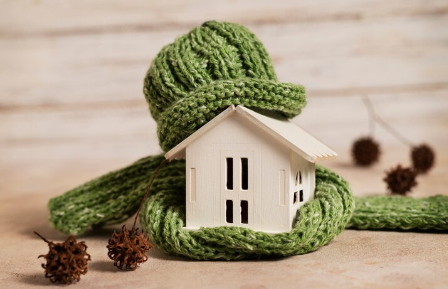
The thermal performance of Wollmatten comes from the microscopic structure of wool fibers. Each strand of wool contains millions of tiny air pockets that trap heat and prevent it from escaping — a natural insulation mechanism developed through evolution to protect sheep in harsh climates. When used in buildings, these same properties help reduce heat loss during winter and maintain cooler temperatures during summer.
Studies show that wool insulation performs comparably, if not better, than many synthetic alternatives in terms of thermal resistance (R-value). However, what truly sets Wollmatten apart is their breathability — they allow moisture to move through walls rather than becoming trapped, preventing rot and dampness. This creates a more balanced indoor climate, reducing the need for artificial heating or cooling and therefore lowering energy costs.
In addition to temperature regulation, Wollmatten also serve as effective acoustic insulation, absorbing sound vibrations and improving room acoustics. This makes them a favored choice not only for homes but also for schools, offices, and wellness centers where calm and quiet environments are essential.
🌱 Sustainability and Environmental Impact of Wollmatten
Sustainability lies at the very heart of Wollmatten’s appeal. Wool is one of the most renewable materials available — sheep regrow their fleece annually, making wool a continuously replenishable resource. Unlike petroleum-based insulation materials, wool is biodegradable and leaves no toxic residue at the end of its life cycle.
The production of Wollmatten also consumes significantly less energy than the manufacture of synthetic materials. Wool naturally filters air pollutants such as formaldehyde, nitrogen oxide, and sulfur dioxide, improving indoor air quality while reducing chemical exposure.
Furthermore, many manufacturers source wool from local farmers, supporting regional agriculture and promoting circular economy principles. Choosing Wollmatten, therefore, isn’t just about improving home comfort; it’s a commitment to environmental stewardship and responsible consumption.
By opting for wool insulation, homeowners and builders actively participate in reducing carbon footprints and promoting a healthier planet — all while enjoying superior comfort and longevity.
🏗️ Wollmatten in Modern Architecture and Design
The rise of eco-conscious architecture has made Wollmatten a preferred material among sustainable builders and interior designers. Architects appreciate wool mats not only for their environmental benefits but also for their design flexibility. They can be shaped to fit complex structures and are ideal for both contemporary and rustic styles.
Modern eco-homes increasingly feature wool insulation as part of a holistic approach to building — integrating renewable energy systems, natural ventilation, and organic materials. In addition, wool mats are also being used in modular construction and passive houses, where thermal performance and sustainability standards are exceptionally high.
Designers have also found creative uses for Wollmatten beyond insulation — such as in acoustic wall panels, furniture padding, and decorative eco-textiles. The material’s warm texture and natural scent of wool evoke a feeling of comfort and authenticity that perfectly aligns with modern wellness-focused interior design trends.
🧱 Advantages of Wollmatten at a Glance
-
Natural and Non-Toxic: Made entirely from renewable sheep’s wool.
-
Excellent Thermal Insulation: Keeps spaces warm in winter and cool in summer.
-
Breathable and Moisture-Regulating: Prevents dampness and mold growth.
-
Acoustic Comfort: Reduces noise and improves indoor sound quality.
-
Environmentally Friendly: Fully biodegradable and recyclable.
-
Safe and Easy to Install: No irritation, no harmful fibers, and no protective gear required.
-
Long-Lasting Performance: Retains shape and insulation ability for decades.
🏁 Conclusion
In conclusion, Wollmatten represent the perfect blend of tradition, technology, and sustainability. As the world shifts toward greener living solutions, wool mats have emerged as an intelligent alternative to conventional insulation materials — offering not only warmth and comfort but also a profound connection to nature. Their combination of natural performance, environmental responsibility, and human health benefits makes them a cornerstone of modern eco-friendly construction.
By choosing Wollmatten, builders and homeowners alike invest in a future that values renewable resources, energy efficiency, and sustainable living. From mountain cabins to modern minimalist homes, these natural wool mats continue to prove that comfort and conscience can coexist beautifully under one roof.
❓ Frequently Asked Questions (FAQ)
Q1. What are Wollmatten made of?
Wollmatten are made from 100% natural sheep’s wool, processed into dense mats suitable for insulation and soundproofing applications.
Q2. Are Wollmatten safe for allergy sufferers?
Yes. Wool naturally repels dust mites and mold while regulating humidity, making it ideal for allergy-sensitive individuals.
Q3. How do Wollmatten compare to synthetic insulation materials?
They provide comparable or superior insulation while being biodegradable, breathable, and free of toxic chemicals — unlike many synthetic products.
Q4. Can Wollmatten be used in all types of buildings?
Absolutely. They are suitable for residential, commercial, and even historic restoration projects, thanks to their flexibility and natural properties.
Q5. How long do Wollmatten last?
When properly installed, Wollmatten can last for decades without losing performance, offering both durability and value for money.
Q6. Do Wollmatten require special maintenance?
No. Once installed, they require virtually no maintenance. Their natural resilience keeps them stable over time.
Q7. Where can I buy Wollmatten?
Wollmatten are available through eco-construction suppliers, sustainable building material retailers, and specialized insulation distributors online and in Europe.